

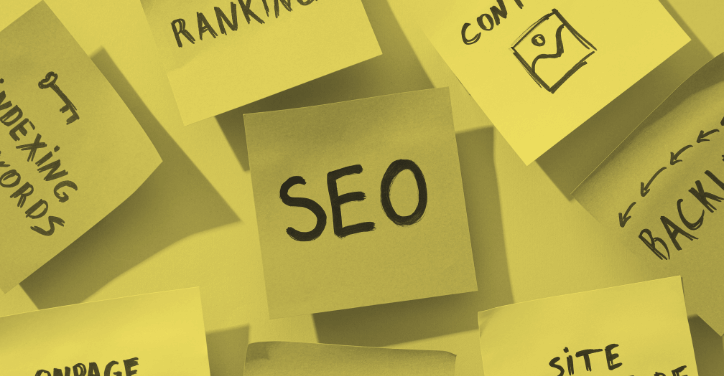
Search Engine Optimization (SEO) is essential for small businesses that want to be found online without spending lots of money on ads. What is great about SEO is that you don’t need a huge budget to improve your rankings. Instead, you need to be perseverant and have the right approach. Using tools is a great way to get better results, as it helps you develop a more effective strategy and ensure you’re making the correct optimizations. In 2026, many cheap or free SEO tools to help you analyze competitors, research keywords, and optimize your website. Discover the best SEO tools for small business in 2026 in the following article.
What is an SEO tool for small business?
An SEO tool is software built and designed to help individuals and businesses improve their online visibility on search engines like Google. These tools analyze a website, keywords, backlinks, and competitors to find opportunities to improve its rankings.
There are various kinds of SEO tools, including:
- Keyword research tools to find the best search terms to target and which words are most used by your potential clients. These tools are a great help to rank higher and get useful insights.
- On-page SEO tools to optimize titles, meta descriptions, and content on a website. This is more related to the impact of user experience on your SEO results.
- Technical SEO tools to fix site errors, broken links, or slow-loading pages to improve your SEO. This technical aspect is essential for SEO, as it is how you improve your rankings.
- Analytics tools to track performance and user behavior. It’s essential to follow trends and measure the impact of your SEO actions on results.
SEO tools are essential for small businesses because they give them insights about their business and competitors to find ways to become the highest ranking website on search engine platforms like Google. There was a time when these resources were only available to big companies, but now even small businesses can leverage these resources to grow.
The best SEO tools for small business in 2026
1. Google Search Console
Every website needs Google Search Console. It’s the most essential SEO tool. It helps you monitor your website’s performance, track keyword rankings, and discover indexing issues.
Best for: Website performance tracking or fixing issues and errors.
2. Google Analytics 4 (GA4)
Google Analytics is another essential tool, and not just for SEO. With GA4, you can understand how users interact with your website, which pages drive traffic, and where visitors drop off. It gives you actionable insights.
Best for: Tracking conversions, traffic sources, and audience behavior.
3. Neil Patel’s Ubersuggest (Free Plan)
Neil Patel’s platform offers website audits, keyword suggestions, competitive insights, and more. The interface is easy to use and accessible to all.
Best for: Keyword research and deep dive competitor analysis.
4. Moz’s free SEO tools
Moz is a great free tool that offers various features like keyword research, domain authority checks, and link analysis. It’s a great free tool for small businesses, even though there are some usage caps.
Best for: Domain authority checking and backlink analysis.
5. SEMRush free account
Despite being limited in comparison to the paid version, SEMRush offers some free tools to help you get started. Keyword tracking and site audits are great weapons to have by your side whenever you need them. SEMRush is one of the most famous SEO platforms available, so don’t hesitate to use their free tools to test them out and see if investing in a paid plan could be a good approach.
Best for: Basic entry-level competitive research.
6. Ahrefs’s free SEO tools
Perhaps SEMRush’s biggest competitor, Ahrefs, is a powerful alternative to SEMRush. The free SEO tools empower you to complete various tasks like keyword research, link building, SERP or ranking checking, and others. It’s a great way to test out the platform and get a feel for what the paid version could bring to the table.
Best for: Small businesses looking for better alternatives to SEMRush.
7. AnswerThePublic
It’s easy to get lost in the idea that you should optimize your content for some keywords, but the truth is that answering popular questions is much more impactful. Especially if you can give a high-quality, helpful answer. AnswerThePublic provides a visual representation of the questions people ask the most on Google. It’s perfect for blog ideas and aims for those precious long-tail keywords that can bring in a lot of traffic.
Best for: Getting inspired and getting new content ideas. It’s great to optimize for search intent and target long-tail keywords.
8. CanIRank
CanIRank is somewhat of a newcomer. This AI-powered tool tells you if you can realistically rank for a keyword or not. It’s great to help you plan which keywords to focus on and which subjects are worth exploring for you.
Best for: Prioritizing keyword opportunities.
9. Screaming Frog SEO Spider
This tool crawls URLs for free and gives you essential information like redirects, broken links, technical SEO problems, or other issues your website might be experiencing.
Best for: Technical SEO audits and ensuring your website is optimized.
10. KeywordTool.io
This platform is a great tool to discover keyword ideas from Google, YouTube, Bing, Amazon, and other platforms. As most businesses do, you’re going to reach a point when it’s hard to find new inspiration. These tools can bail you out.
Best for: Discovering niche-specific keywords.
11. Yoast SEO (Free WordPress Plugin)
This is one of the most popular SEO plugins for WordPress. Yoast helps you optimize titles, meta descriptions, and readability. It’s essential for any blogger or business running a WordPress website.
Best for: On-page SEO for WordPress sites.
Improve your SEO with freelance professionals
It can take time and a lot of effort to improve your SEO, but it’s worth it as it will grow your customers and revenue tremendously in the long term. If you can’t hire a full-time SEO professional, you can hire a freelance SEO professional to help you complete your SEO projects. These experts have all the tools and knowledge to grow your online presence and revenue.
ComeUp is a freelance marketplace on which you can find freelance professionals specialized in many different areas of SEO. Browse the categories or use the search bar to find the service that matches your needs. Once you find the service, you can order, and the freelancer will start working on it as soon as possible. Use the service description, the reviews, and the freelancer’s profile to ensure you have found the right freelancer for the job.
ComeUp is rated 4.3 stars out of 5 on Trustpilot (as of August 2025), thanks to their optimal order process and customer service team. The order process ensures you get exactly what you order because even though you pay for orders upfront, the money goes into an escrow account, and the freelancer is only paid when they complete the order and you approve it. The customer service team is always ready to help and react quickly to any issues you may face. They are a large reason why the platform is rated so highly on Trustpilot.
Conclusion: The best SEO tools for small business in 2026
It can be difficult for small businesses to have the time and resources to improve their SEO, but it’s essential. SEO doesn’t have to be expensive or take up a lot of your time. The tools presented in this guide are free for the most part, and they are the best SEO tools for small business in 2026. Begin with Google Search Console and Analytics before expanding to other tools for keyword research, competitor comparisons, and technical audits. Hire a freelance SEO professional on ComeUp to save time and money while completing your SEO projects with the best results.